Unemployment
25. Aug 2026
Unemployment at 0.9% in July
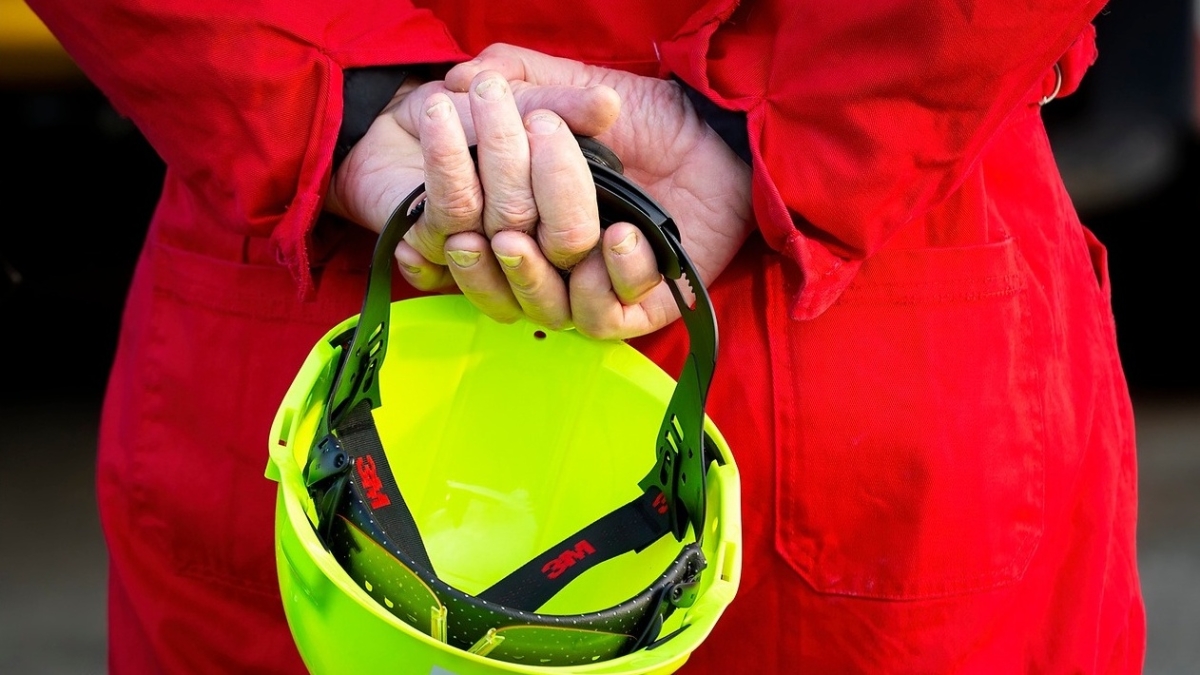
Unemployed persons are registered as unemployed with the Faroese unemployment system and the social welfare services, who are fully available for work and are actively seeking work.
In July, unemployment was 0.9%, which is 0.1 percentage points lower than in the same month last year.
[px-graph-1]
In July, 323 persons were unemployed, which is 53 fewer than the same month the year before.
A full-time unemployed person is defined as one who is unemployed throughout a full month. If two persons are affected by unemployment for half a month each, they are converted to one full-time unemployed person for the month in question. July, there were 288 full-time unemployed persons, which is 38 fewer than in July last year.
[px-graph-2]
Unemployment higher among men
In July, 131 women were unemployed. Converted into full-time unemployment, they corresponded to 117, which is an unemployment rate of 0.8%. This is 0.1 percentage points lower than the year before.
Among men, 192 were unemployed. Converted into full-time unemployment, they numbered 171, corresponding to a 1% unemployment rate. This is a decrease of 0.2 percentage points compared with the year before.
[px-graph-3]
Suðuroy region had the highest unemployment
The map below shows unemployment rates by region. In July, unemployment was lowest in the Vágar and Norðoyggjar regions, at 0.6%. In Suðuroy region, unemployment was highest, at 2.2%, which is 0.2 percentage points lower than in July last year.
More regional statistics on unemployment are found here: Eysturoy region, Norðoyggjar region, Sandoy region, Streymoy region (north), Streymoy region (south), Suðuroy region, Vágar region.
[px-graph-4]
Lowest among the youngest and oldest
The highest unemployment in July was among those aged 25–34 and 35–44, at 1.3%. For the former group, this is a decrease compared with last year, but an increase for the latter. The lowest unemployment was among the youngest (16–24 years) and the oldest (55–66 years) age groups at 0.6%
[px-graph-5]
Twelve per cent unemployed for more than a year
The graph below shows how long people have been unemployed. The largest group (35%) of the unemployed persons in July had been unemployed for between 1 and 3 months.
In July, 40 persons, or 12% of the unemployed, were long-term unemployed. This means that they had been unemployed for more than one year (365+ days). The number of long-term unemployed persons is fairly stable over time.
[px-graph-6]
Unemployment as a statistical concept
Statistics Faroe Islands and other statistics agencies across the world use the definitions of unemployment given by the International Labour Organisation (ILO), which is a United Nations agency.
According to this definition, the unemployment rate reflects the proportion of the labour force that does not have a job, is available to the labour market and is actively looking for work.
Statistical scope for unemployment figures
The source of the unemployment figures are individuals who are registered with the unemployment office (ALS) and the social welfare centre (Almannaverkið) and who meet the criteria mentioned above. The sources, and thus Statistic Faroe Islands’ unemployment figures, only cover people aged 16-66.
In order to make international comparisons, the unemployment figures from the Labour force survey must be used.